Vendion
    All articles
    Operations2026-06-05Vendion-teamet

    Kitchen Chaos? How KDS Screens Save the Midsummer Rush

    Kitchen Chaos? How KDS Screens Save the Midsummer Rush

    How can a Kitchen Display System reduce stress and chaos in a restaurant kitchen during peak services like Midsummer?

    A Kitchen Display System (KDS) eliminates lost paper tickets, reduces prep times, and creates a quieter working environment. Through color coding, time warnings, and automatic routing of orders directly from the POS, waste is minimized, and the kitchen can deliver food faster during the toughest service of the year.

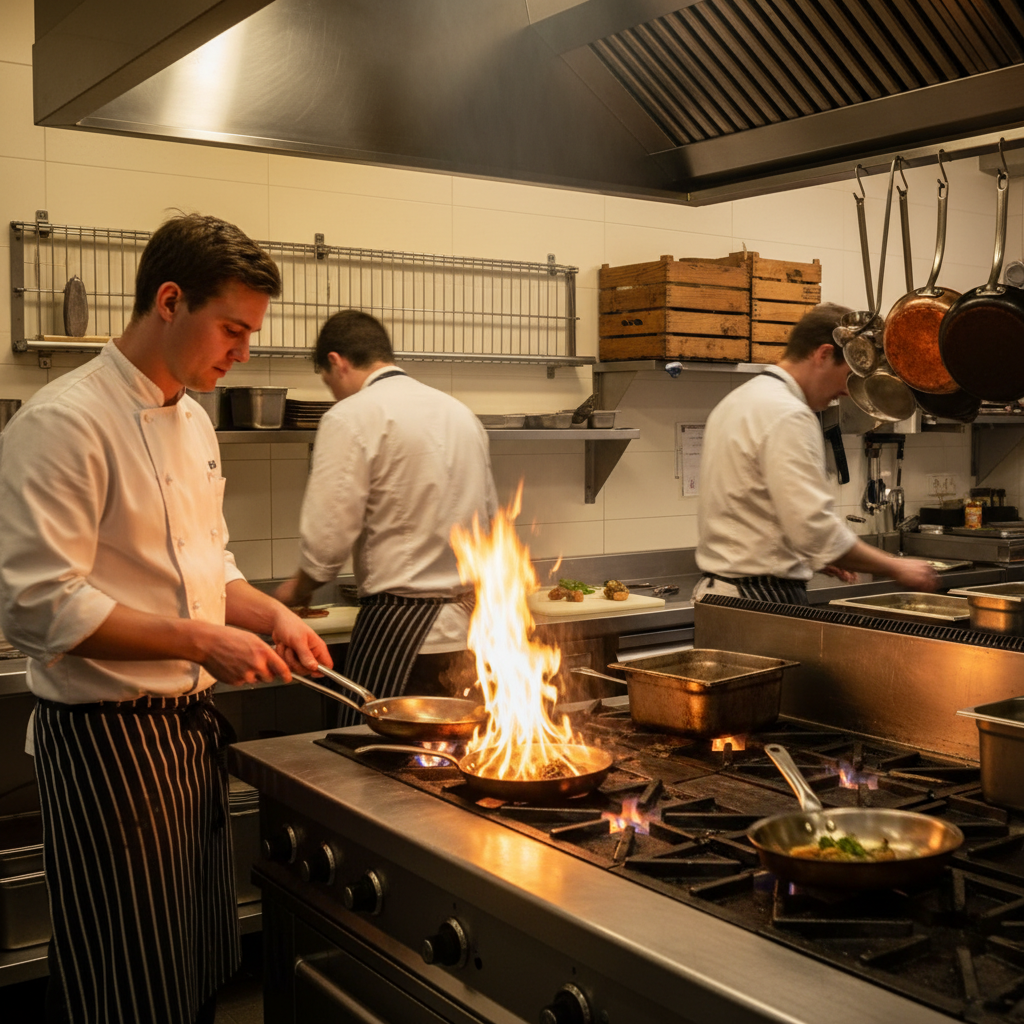
    Midsummer Eve 2026 is fast approaching. The outdoor terrace is packed to the brim, the sun is shining, and spirits are high. In the dining room, your waitstaff skillfully navigates between tables, armed with mobile POS units to take orders on the fly. But behind the swinging doors to the kitchen, the reality is starkly different. If your restaurant still relies on old-school ticket printers, you know exactly what awaits. The constant, rattling sound of the dot-matrix printer. Long strips of paper tangling up, getting smeared with grease, or worse, blowing onto the floor and vanishing. Chefs screaming for updates and servers constantly asking where the food is.

    This is the classic recipe for kitchen chaos. When the pressure is at its highest, analog systems break down. The solution? Replacing the paper mess with digital precision. A Kitchen Display System (KDS) is not just a modern upgrade; it is an absolute necessity for restaurants that want to maximize throughput and preserve the mental health of their staff during the most intense days of the year.

    The Death of the Paper Ticket – Why Analog Systems Crash Under Pressure

    Running a commercial restaurant kitchen in the 2020s using slips of paper is like trying to navigate rush hour traffic with a paper map from the 1990s. It works when the pace is slow, but when 50 guests sit down simultaneously and order everything from three-course menus to custom allergy alternatives, paper simply doesn't cut it.

    One of the biggest problems with paper tickets is the lack of dynamism. A ticket is static. If the guest at table four suddenly changes their mind and wants their steak medium rare instead of well done, the server has to run into the kitchen, find the right piece of paper among dozens of others, cross out the text with a pen, and hope the chef sees the change before the meat hits the grill. This lack of real-time communication inevitably leads to order errors, increased food waste, and frustrated guests.

    With a KDS, these bottlenecks are eliminated immediately. Because everything is in the same system, the screens in the kitchen update in milliseconds when the server makes a change in the mobile POS. No running footsteps, no illegible handwriting, no guessing games.

    Cut Prep Times by 25 Percent – Math That Hits the Bottom Line

    Speed is profitability in the hospitality industry. Every minute you can shave off your average ticket time means faster table turnover, which in turn means more guests served per evening. Data from modern restaurant kitchens shows that implementing digital screens can reduce ticket times by up to 25 percent. How is this possible?

    The answer lies in intelligent routing and visual prioritization. An advanced KDS doesn't just sort orders in the sequence they arrive; it distributes them logically. The cold kitchen immediately sees the starters on their screen, while the hot kitchen sees the mains but knows exactly when to start cooking based on built-in timers. The screens use color-coding to guide the staff: a green ticket means everything is on track, a yellow ticket indicates time is running out, and a flashing red ticket means the dish requires immediate attention.

    This level of control gives the head chef, or the expeditor at the pass, a perfect overview of the entire production. Instead of counting pieces of paper, they can, with a quick glance at the screen, see exactly how many prawn toasts are ordered across all tables, allowing them to batch-produce and save enormous amounts of time.

    Synchronized Service: From Mobile POS to the Pass in the Same System

    One of the greatest advantages of modern platforms is the seamless flow from the guest's order all the way to the plate. When you use Vendion, the Order module is the heart of the operation. Whether the order comes from a guest scanning a QR code via the online ordering module, from a server with a mobile POS, or from an express kiosk at the bar, everything lands instantly on the correct KDS screen in the kitchen.

    There are no integrations that can fail, no third-party apps that lose connection. Everything exists natively in the same system. When the chef taps the screen to mark the food as ready, a notification is sent directly to the server's mobile device: "Table 12 is ready to be served". Food never sits getting cold at the pass, and servers don't have to run back and forth to check the status. It is this flow that transforms a stressful Midsummer Eve into a well-oiled machine.

    Less Shouting, More Focus – The Psychological Win of Digital Tickets

    We often talk about software in terms of features and numbers, but we must not forget the humans behind the machine. Restaurant kitchens are notorious for being stressful, loud, and sometimes toxic work environments. Much of this stress stems from poor communication and a lack of overview.

    When you install KDS screens, the acoustics and atmosphere in the kitchen change dramatically. The need to scream "Where is my salmon?!" over clattering pots disappears. The information is clearly presented for everyone. This creates a quieter, more focused work environment where chefs can concentrate on their craft rather than administration. In an era where it is harder than ever to recruit and retain good kitchen staff, a tolerable and modern work environment is a massive competitive advantage.

    Data-Driven Kitchen Planning and AI Insights for Summer 2026

    A KDS does more than just display orders; it collects invaluable data. How long does it take on average to push out a specific dish during the Friday rush compared to a quiet Tuesday? Where do the bottlenecks occur? Which stations get overloaded first?

    With Vendion's built-in AI, this data is continuously analyzed. The system can flag menu items that consistently slow down the kitchen's pace and suggest adjustments in mise en place or staffing. AI in the restaurant platform is no gimmick – it is a concrete tool to optimize your operational efficiency.

    When you choose Vendion 360, you get access to this entire ecosystem, from KDS and mobile POS to advanced analytics and AI tools. All modules work together to give you total control over your restaurant. And best of all? We believe in our product and never lock our customers into long contracts. With no lock-in period, you can rest assured that the platform must deliver value every single day.

    Don't let the most important weeks of the year be defined by paper tangles and stress. Digitize your kitchen, cut prep times, and give your team the tools they need to shine when the pressure is at its peak.

    Ready to try Vendion?

    Book a demo, give us a call or get started directly. One platform. All support. Zero hassle.

    Get started

    No lock-in. Switch whenever.