
Data-driven mise en place: turn sales into a better prep list
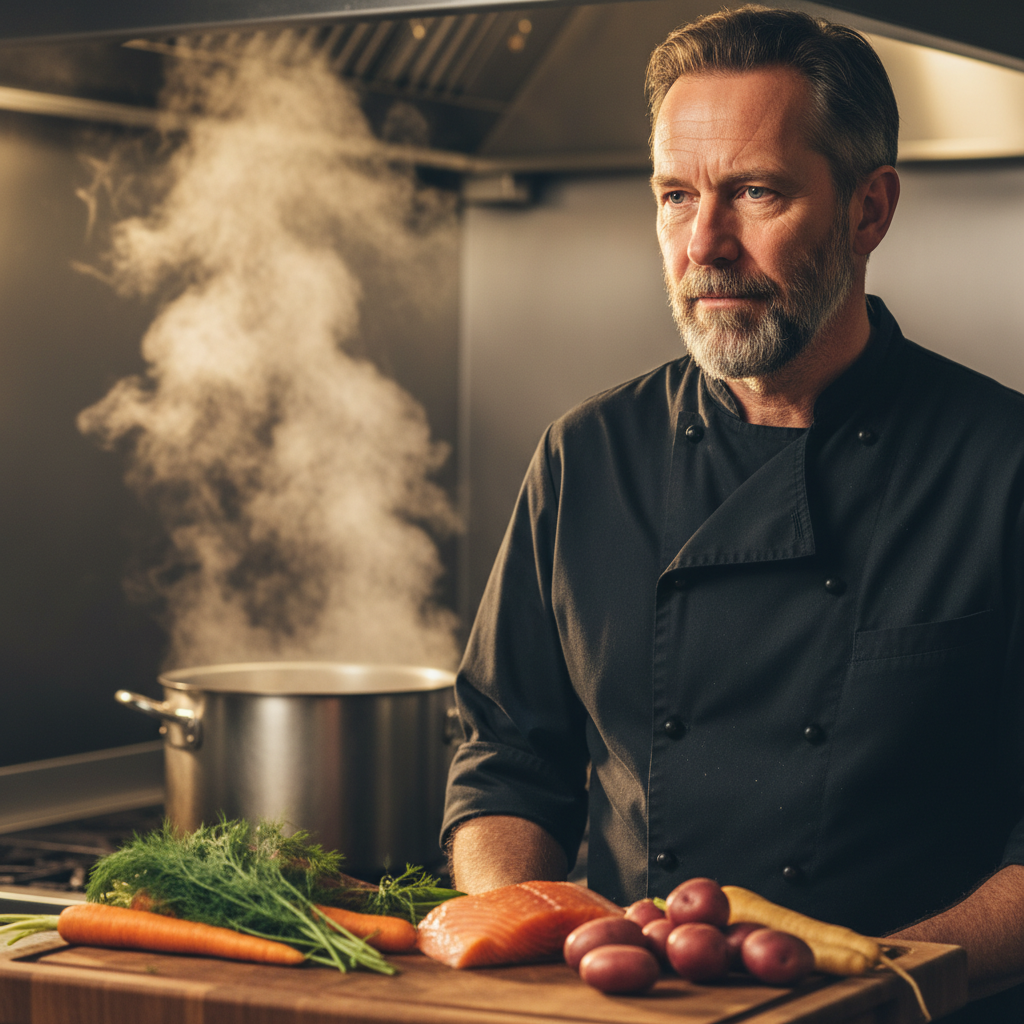
How can a kitchen use sales data to plan mise en place?
Compare similar services, estimate portions and check what is already prepared. Separate the opening prep level from items that can be replenished during service. Track stockouts, leftovers and delays afterwards. The forecast supports the head chef’s judgement.
A useful prep list describes more than quantities. It shows what must be ready at opening, what can be done during service and who is responsible. Sales data can improve the plan when combined with kitchen experience.
Compare similar services
Choose previous shifts with a similar menu, opening period and guest mix. A private dinner is a poor comparison for an ordinary Saturday. Also note sold-out dishes: low recorded sales may reflect a shortage rather than low demand.
Start with booked guests and estimate walk-ins and takeaway separately. Add known preorders without counting the same guests twice.
Estimate portions with visible assumptions
Hypothetical example: you plan for 80 guests and assume 35 percent will choose the fish dish. That gives 28 portions. If the share is 25 or 45 percent, demand becomes 20 or 36 portions instead. The range shows why 28 is not a certain answer.
Then check physical stock, usable yield and existing prep. Recorded sales do not automatically show waste, staff meals or ingredients that need discarding. Follow your shelf-life and food-safety procedures when deciding what can be used.
Organise work by when it is needed
Set an opening prep level and a clear replenishment point. Decide which tasks must be completed in advance and which can wait until demand is clearer.
Record responsibility, quantity and time. Combine the requirements for components used in several dishes so two stations do not independently allocate the same ingredients.
Use kitchen data to guide the next improvement
A KDS can help track orders and status. Define ticket time before making comparisons: the interval from sending an order to marking it ready is not always active cooking time.
If the grill regularly becomes overloaded, investigate arrivals, menu choices and prep. A longer order interval may also reflect waiting between courses. Avoid treating a single timestamp as a rating of an employee.
After service, record what sold out, what remained and when extra prep was needed. Adjust the next list using those observations. Vendion Analytics and AI can help summarise available records, while the kitchen lead decides quantities and execution.
See Vendion live and follow your own dishes from sales to the kitchen workflow.
Ready to try Vendion?
Book a demo, give us a call or get started directly. One platform. All support. Zero hassle.
No lock-in. Switch whenever.